

The Role of AI in Predicting Shopping Trends in the USA, UAE, and India

The-Role-of-AI-in-Predicting-Shopping-Trends-in-the-USA-UAE-and-India

The Role of AI in Predicting Shopping Trends in the USA, UAE, and India
The-Role-of-AI-in-Predicting-Shopping-Trends-in-the-USA-UAE-and-India

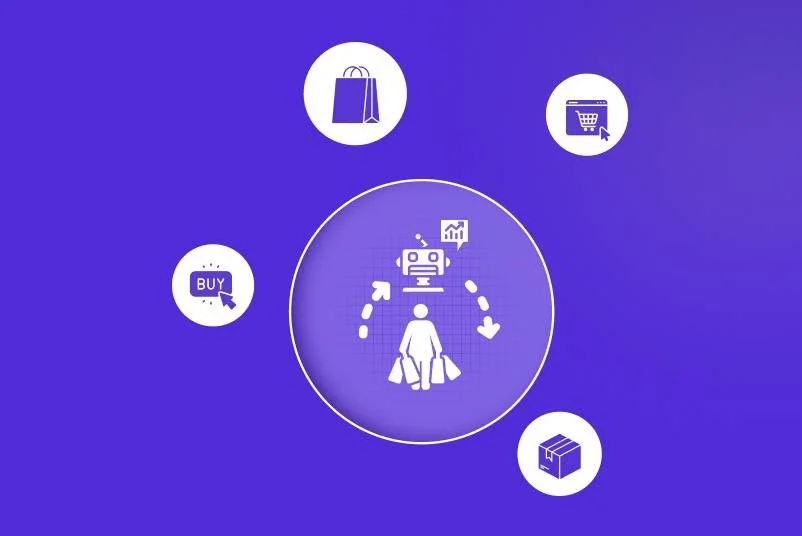
The meteoric rise of eCommerce has been accompanied by another equally influential phenomenon: Artificial Intelligence (AI). As leaders in eCommerce consulting, eccofi has witnessed firsthand how AI is revolutionizing shopping behaviors, particularly in the diverse markets of the USA, UAE, and India. Let's delve deeper into the role AI plays in shaping shopping trends across these regions.

1. USA: Personalization & Predictive Purchasing

With a mature eCommerce landscape, the USA has leveraged AI for highly personalized shopping experiences. Advanced algorithms analyze user behavior, enabling retailers to recommend products with astonishing accuracy. This predictive purchasing means consumers find items they "didn't know they needed," boosting spontaneous purchases.

2. UAE: Augmented Shopping & Virtual Trials

The luxury shopping haven of the Middle East, UAE's market is defined by opulence. AI in UAE eCommerce sites allows users to virtually 'try on' products or visualize how a piece of furniture looks in their home environment. These augmented shopping experiences have transformed window shopping into actual conversions.

3. India: Voice-activated Shopping & Regional Customizations

India, with its linguistic diversity, has seen AI's role emerge in voice-activated shopping. Platforms are increasingly AI-integrated, understanding vernacular languages, enabling users from the hinterlands to shop with ease. Additionally, AI-driven regional customizations ensure that the shopping experience caters to local tastes and cultural nuances.

Conclusion:

From personalizing user experiences in the USA to catering to the linguistic diversities in India, and augmenting luxury shopping in the UAE, AI's imprint is evident. eccofi recognizes the boundless potential of AI in eCommerce and remains committed to guiding businesses through this evolving landscape.

Get in touch

✓ Valid number ✕ Invalid number
This field is for validation purposes and should be left unchanged.

How Indian Artisans Are Leveraging eCommerce for Global Exposure

How-Indian-Artisans-Are-Leveraging-eCommerce-for-Global-Exposure

How Indian Artisans Are Leveraging eCommerce for Global Exposure

How-Indian-Artisans-Are-Leveraging-eCommerce-for-Global-Exposure

India, a country with a tapestry of cultures, has always been renowned for its intricate craftsmanship. Historically, the artisanal creations of this nation have been restricted to local markets or exclusive showrooms. But with the dawn of the digital era, these master craftsmen have found a new avenue—eCommerce. eccofi, as a leading consultant in the realm of digital commerce, has keenly observed this transformative journey, offering insight into the phenomenon.

1. Digital Storefronts:

Artisans are no longer reliant on middlemen. With platforms like Etsy, Amazon Handmade, and dedicated local portals, they can showcase their products directly to the world. A digital store gives them autonomy over pricing, display, and storytelling—enhancing their brand identity.

2. Collaboration with Brands:

Prominent fashion and décor brands are collaborating with local artisans. These partnerships not only bring authentic products to consumers but also spotlight the traditional techniques behind them, giving artisans deserved recognition.

3. Social Media as a Showcase:

Platforms like Instagram and Pinterest have become virtual galleries for artisans. Detailed photo stories, videos of the creation process, and customer testimonials engage a global audience and drive sales.

4. Empowerment through Training:

Organizations and NGOs are helping artisans become eCommerce-ready. From photography workshops to digital marketing sessions, these craftsmen are equipped with skills to navigate the online marketplace successfully.

5. Global Festivals & Virtual Exhibitions:

Many global festivals now have virtual editions, inviting artisans to showcase their creations. It's a chance to tap into elite clientele and receive real-time feedback, adapting to international tastes.

Conclusion

The synergy between traditional Indian craftsmanship and modern eCommerce avenues is a testament to India's adaptive spirit. With the expert guidance of firms like eccofi, artisans not only find a broader platform but also evolve with changing consumer dynamics.

Get in touch

✓ Valid number ✕ Invalid number
This field is for validation purposes and should be left unchanged.

Dropshipping Trends: From UAE Markets to Global Dominance

Dropshipping-Trends-From-UAE-Markets-to-Global-Dominance

Dropshipping Trends: From UAE Markets to Global Dominance

Dropshipping-Trends-From-UAE-Markets-to-Global-Dominance

Dropshipping has risen from a mere buzzword to a mainstream eCommerce model. However, few regions have embraced and redefined it as keenly as the United Arab Emirates (UAE). As industry pioneers, eccofi has closely monitored the UAE's dropshipping ecosystem, decoding its transformative journey and its influence on global trends.

1. Niche-focused offerings:

UAE-based dropshippers have discerned the power of niche markets. Instead of competing in a vast sea, many have chosen specialized products, catering to specific demographics or interests. This focused approach enhances brand credibility and ensures customer loyalty.

2. Leveraging Technology:

The adoption of state-of-the-art tech tools, from AI-driven inventory management to chatbots for customer service, is elevating the UAE's dropshipping game. It ensures streamlined operations, real-time analytics, and a superior customer experience.

3. Emphasis on Local Brands:

While global products have their allure, there's a growing trend of promoting local brands and artisans. It doesn't just foster national pride but also assures consumers of product authenticity and quality.

4. Sustainability Matters:

Eco-conscious dropshipping is on the rise in the UAE. Businesses are focusing on sustainable products, ethical sourcing, and green packaging, aligning with global consumer preferences and environmental concerns.

5. Hybrid Models:

Dropshipping isn't standalone anymore. Many UAE businesses combine it with traditional retail or other eCommerce models, maximizing revenue streams and leveraging the strengths of each approach.

Conclusion:

The UAE's innovative take on dropshipping has set precedence for the world. As markets globally integrate these trends, it's evident that the small but potent UAE market can drive worldwide change. With eccofi's expertise, businesses can seamlessly navigate these trends, ensuring their ventures remain at the forefront of eCommerce evolution.

Get in touch

✓ Valid number ✕ Invalid number
This field is for validation purposes and should be left unchanged.

Navigating the Intricacies of eCommerce Regulations in the USA

Navigating-the-Intricacies-of-eCommerce-Regulations-in-the-USA

Navigating the Intricacies of eCommerce Regulations in the USA

Navigating-the-Intricacies-of-eCommerce-Regulations-in-the-USA

The U.S. eCommerce market, while lucrative, is a maze of regulations that can often seem daunting for businesses, particularly for those venturing from international waters. eccofi, as a torchbearer in eCommerce consulting, is here to guide businesses through these intricacies.

1. Data Privacy and Security:

The USA, though lacking a federal level general data protection law, has several state-level legislations, with the California Consumer Privacy Act (CCPA) being the most prominent. It mandates businesses to be transparent about data collection and gives consumers rights over their data. Ensuring compliance is vital to build trust and avoid hefty fines.

2. Sales Tax Complexities:

After the landmark Supreme Court decision in the South Dakota v. Wayfair, Inc., online sellers might be required to collect sales tax even if they don't have a physical presence in the state. The 'economic nexus' laws vary by state, making it crucial for businesses to stay informed and compliant.

3. Consumer Protection:

The Federal Trade Commission (FTC) has set guidelines ensuring that online advertisements are not misleading and that customer reviews and testimonials are genuine. Any breach can lead to legal repercussions and damage to brand reputation.

4. Import and Export Regulations:

For businesses sourcing products from abroad, understanding the U.S. Customs and Border Protection's rules is essential. Proper documentation, accurate product classification, and understanding duty rates can save time and costs.

5. Environmental Regulations:

With sustainability becoming a focal point, several states have regulations on packaging, aiming to reduce environmental impact. Adhering to these can also enhance a brand's green credentials among consumers.

6. Accessibility:

The Americans with Disabilities Act (ADA) requires websites to be accessible to individuals with disabilities. An accessible eCommerce platform isn't just about compliance but also about tapping into a broader customer base.

Conclusion

While the U.S. offers a thriving eCommerce marketplace, navigating its regulatory framework requires expertise and diligence. Partnering with knowledgeable consultants like eccofi can make this journey smooth, ensuring that businesses not only comply but thrive.

Get in touch

✓ Valid number ✕ Invalid number
This field is for validation purposes and should be left unchanged.

Mobile-First eCommerce: Why India is Leading the Charge

Mobile-First-eCommerce-Why-India-is-Leading-the-Charge

Mobile-First eCommerce: Why India is Leading the Charge

Mobile-First-eCommerce-Why-India-is-Leading-the-Charge

In the vast landscape of global eCommerce, certain markets are showing rapid acceleration in unique directions. One standout trendsetter is India, charging ahead with a robust mobile-first approach. The question arises: Why is India such a dynamo in mobile-first eCommerce? eccofi takes a plunge into this intriguing realm.

1. Proliferation of Smartphones:

Affordable smartphones have become accessible to millions in India, even in remote areas. With the majority of Indians accessing the internet for the first time via mobile devices, it's natural that their first encounter with eCommerce is also mobile-driven.

2. Data Revolution:

Telecommunication companies in India, driven by competitive pricing, have facilitated incredibly cheap internet plans. This democratization of data has empowered a vast segment of the population to browse and shop online.

3. User-Friendly Mobile Platforms:

eCommerce giants in India, such as Flipkart and Amazon India, have recognized this trend early on. They've optimized their mobile platforms, ensuring intuitive navigation, speedy load times, and personalized shopping experiences.

4. Mobile Payments and Digital Wallets:

The convenience of UPI (Unified Payments Interface) and popular digital wallets like Paytm and Google Pay have revolutionized the ease of transaction, making mobile shopping even more attractive.

5. Regional Content:

Understanding India's diverse linguistic tapestry, many eCommerce platforms have incorporated multiple regional languages. This localization, predominantly on mobile interfaces, has further fueled adoption among non-English speaking users.

6. Societal Evolution:

Urban areas witness long commute times and busy lifestyles, while rural areas experience digital evolution mainly through mobiles. In both scenarios, mobile eCommerce caters perfectly to the needs of the Indian populace.

For businesses looking to tap into India's burgeoning market, a mobile-first strategy is no longer optional; it's imperative. eccofi’s expertise in eCommerce consulting ensures that brands can seamlessly integrate into this mobile-centric ecosystem, ensuring their offerings resonate with the dynamic Indian consumer.

Conclusion:

As smartphones continue to weave into the daily lives of Indians, mobile-first eCommerce is not just a trend—it's a foundational shift. And with strategic insights from eccofi, businesses can ride this wave to monumental success.

Get in touch

✓ Valid number ✕ Invalid number
This field is for validation purposes and should be left unchanged.

Digital Taxation Challenges for Cross-Border eCommerce in the UAE

Digital-Taxation-Challenges-for-Cross-Border-eCommerce-in-the-UAE

Digital Taxation Challenges for Cross-Border eCommerce in the UAE

Digital-Taxation-Challenges-for-Cross-Border-eCommerce-in-the-UAE

The United Arab Emirates, with its strategic location and burgeoning digital economy, has been at the epicenter of the global eCommerce expansion. However, as cross-border eCommerce activity continues to surge, the complexities surrounding digital taxation come to the forefront. Navigating these intricacies requires a deep understanding of the evolving tax framework in the region. Here, eccofi steps in as an eCommerce consulting leader to shed light on the challenges and potential pathways forward.

Understanding VAT Implementation:

In 2018, the UAE introduced Value Added Tax (VAT) at a rate of 5%, bringing several services under its ambit, including digital services. For cross-border eCommerce businesses, this implies that foreign companies providing digital services might be liable for VAT registration and remittance.

Determining Tax Liability:

One of the key challenges is determining the tax liability. With varied transactions involving multiple parties - from merchants to intermediaries and consumers - pinpointing the exact point of taxation can be perplexing.

Compliance and Documentation:

Ensuring compliance with tax regulations necessitates maintaining accurate transaction records, timely VAT returns, and adherence to the stipulated documentation requirements. Any oversight can lead to penalties, impacting business profitability.

Technology Overheads:

Deploying robust digital systems to capture transaction data, compute VAT, and facilitate remittances requires technological investments. Integrating these systems seamlessly with existing operations is pivotal.

Informed Decision Making with eccofi:

eccofi’s in-depth eCommerce consulting services guide businesses through these murky waters. By understanding the nuanced tax regulations, deploying state-of-the-art digital tax computation tools, and offering expert advice, eccofi ensures businesses remain compliant, competitive, and profitable.

Conclusion

The ever-evolving landscape of digital taxation in the UAE poses both challenges and opportunities. With informed strategies, businesses can navigate this terrain successfully. Partner with eccofi, your trusted eCommerce consultant, for expert guidance in this domain.

Get in touch

✓ Valid number ✕ Invalid number
This field is for validation purposes and should be left unchanged.

Indian Festivals: Capitalizing on Seasonal eCommerce Spikes

Indian-Festivals-Capitalizing-on-Seasonal-eCommerce-Spikes

Indian Festivals: Capitalizing on Seasonal eCommerce Spikes

Indian-Festivals-Capitalizing-on-Seasonal-eCommerce-Spikes

The kaleidoscope of India's culture is painted with a myriad of festivals, each bringing its unique flavor and significance. For eCommerce platforms, these festivals are not just cultural celebrations but potent opportunities to maximize sales, engage consumers, and fortify brand presence. With an in-depth understanding of market dynamics, eccofi, a top-tier eCommerce consultant, emphasizes the importance of leveraging these seasonal spikes to optimize profits and drive growth.

A Festive Buying Spree:

During festivals, there's a palpable uptick in consumer spending. Be it Diwali's shimmering lights or Holi's colorful fervor, consumers are more inclined to indulge in festive shopping, making it crucial for eCommerce platforms to provide curated collections, discounts, and offers that resonate with the festive spirit.

Localized Campaigns, Universal Appeal:

Tailoring campaigns to regional festivals, such as Durga Puja in West Bengal or Onam in Kerala, can give businesses a competitive edge. It showcases cultural understanding and respect, endearing the brand to local communities while maximizing market reach.

Interactive Engagement:

Using interactive features like quizzes about festivals or gamifying the shopping experience can boost user engagement. Integrating augmented reality (AR) for virtual 'festival look' try-ons or creating festive-themed contests can further enhance customer interaction.

Optimized Logistics and Inventory:

Anticipating the surge in orders, ensuring streamlined logistics, and stocking up inventories based on predictive analytics is paramount. eccofi emphasizes the importance of backend preparations to handle the festive rush, ensuring timely deliveries and maintaining customer satisfaction.

Conclusion:

India's festive panorama offers an expansive playground for eCommerce platforms. With strategic planning, innovative campaigns, and an acute understanding of regional nuances, businesses can make the most of these seasonal spikes. Partner with eccofi, your trusted eCommerce consultant, to navigate and capitalize on India's festive boom.

Get in touch

✓ Valid number ✕ Invalid number
This field is for validation purposes and should be left unchanged.

Why the USA Continues to Be an eCommerce Superpower

Why-the-USA-Continues-to-Be-an-eCommerce-Superpower

Why the USA Continues to Be an eCommerce Superpower

Why-the-USA-Continues-to-Be-an-eCommerce-Superpower

From the advent of online retail giants to the pioneering spirit of Silicon Valley, the United States has long been at the forefront of the eCommerce revolution. As eccofi dives deep into this dynamic market, we discover the fundamental factors that establish the USA as an undying eCommerce superpower.

Land of Opportunity and Innovation:

1. Early Adoption:

The US's journey in eCommerce began with its early embracement of the internet. This foresight gave businesses a significant headstart, allowing them to define global standards for online retail.

2. Technological Infrastructure:

With an advanced technological landscape, the USA provides a robust backbone for eCommerce operations, ensuring seamless transactions and efficient logistics.

3. Consumer Behavior:

Americans have embraced online shopping as an integral part of their lives. The convenience, variety, and competitive pricing found online perfectly align with the American ethos of choice and freedom.

4. Investment in R&D:

Continuous research and development initiatives by both startups and tech giants like Amazon and Google push the boundaries of what's possible in eCommerce, from drone deliveries to AI-driven personalized shopping experiences.

5. Vibrant Startup Ecosystem:

Places like Silicon Valley foster innovation, providing startups with resources, mentorship, and capital to experiment and scale their eCommerce ventures.

6. Regulatory Environment:

While there are challenges, the regulatory environment in the USA, for the most part, supports the growth of eCommerce, fostering healthy competition and protecting consumer rights.

However, even a behemoth like the US eCommerce industry faces its share of challenges - market saturation, global competition, and ever-evolving technological landscapes. This is where eccofi's eCommerce consulting services become crucial, providing strategic guidance and tailored solutions for businesses to navigate and thrive.

Conclusion

The confluence of history, technology, and consumer behavior solidifies the USA's position as a global eCommerce leader. With continuous evolution and innovation, guided by experts like eccofi, the nation's online retail landscape promises a bright future.

Get in touch

✓ Valid number ✕ Invalid number
This field is for validation purposes and should be left unchanged.

Exploring the UAE’s Robust eCommerce Infrastructure

Exploring-the-UAE-Robust-eCommerce-Infrastructure

Exploring the UAE's Robust eCommerce Infrastructure

Exploring-the-UAE-Robust-eCommerce-Infrastructure

Digital Transformation in the Desert:

At the core of the UAE's eCommerce success lies a forward-thinking digital strategy. Visionary initiatives from the government, like the e-Government strategy, have propelled the country into the digital age, making online transactions smoother and more reliable.

Factors Driving the UAE's eCommerce Supremacy:

1. High Internet Penetration:

With one of the highest internet penetration rates globally, the UAE offers an expansive digital playground for businesses to tap into.

2. Tech-savvy Consumers:

A cosmopolitan populace, open to innovation and with a penchant for luxury, finds the convenience and variety offered by online shopping irresistible.

3. Strategic Geographic Position:

The UAE, as a central hub connecting the East and the West, benefits from streamlined logistics and quick delivery times, essential for eCommerce success.

4. Secure Digital Payment Ecosystem:

Trust in online transactions is bolstered by the UAE's advanced digital payment infrastructure, further accelerated by the Central Bank's regulations promoting electronic payments.

5. Government Initiatives:

UAE's government actively promotes a digital-first approach, further encouraging businesses to invest in and adopt eCommerce.

However, while the eCommerce infrastructure in the UAE is undeniably robust, it's not without challenges. Evolving consumer expectations, intense competition, and the need for continuous innovation can pose hurdles. Here, eccofi's expertise as an eCommerce consultant becomes indispensable, guiding businesses to leverage the strengths of the UAE market effectively.

Conclusion:

The UAE's vision, combined with its strategic advantages, makes it a hotbed for eCommerce growth. As the sector continues to evolve, businesses equipped with the right insights and strategies, like those provided by eccofi, will be poised for unparalleled success.

Get in touch

✓ Valid number ✕ Invalid number
This field is for validation purposes and should be left unchanged.

The Rise of D2C Brands in India: A Deep Dive

The-Rise-of-D2C-Brands-in-India-A-Deep-Dive

The Rise of D2C Brands in India: A Deep Dive

The-Rise-of-D2C-Brands-in-India-A-Deep-Dive

Direct-To-Consumer (D2C) is not just a buzzword in the world of eCommerce, especially when the canvas is as vast and varied as India. This model, where businesses sell directly to the end consumer bypassing traditional middlemen, has been gaining significant traction. As an expert in the realm of eCommerce consulting, eccofi delves deep into the burgeoning world of D2C brands in the Indian landscape.

Why D2C in India?

India’s vast consumer base is young, digitally-savvy, and discerning. They yearn for products that resonate with their aspirations and values. D2C brands, often homegrown, offer this personal touch, making them instantly appealing.

Factors Driving D2C Growth:

1. Digital Penetration:

With the increasing availability of affordable smartphones and data plans, even non-metropolitan areas have become accessible, broadening the market reach for brands.

2. Personalized Marketing:

D2C brands are winning hearts with their tailored marketing strategies. Leveraging social media platforms, these brands engage directly with their audience, forging a stronger brand-consumer bond.

3. Agile Business Models:

Without the constraints of traditional retail chains, D2C brands can quickly adapt to market changes, launch new products, or pivot their strategies.

4. Value for Money:

The Indian consumer today is not just buying a product but a story, a vision. D2C brands often come with compelling narratives of their origins, values, or sustainability efforts.

Yet, the road to D2C success in India isn’t without challenges. Brands must navigate logistical issues, intense competition, and changing consumer preferences. This is where the expertise of eccofi comes into play, helping brands harness the potential of D2C while navigating its intricacies.

Conclusion

The D2C wave in India is more than just a trend; it's a transformative shift in the way businesses and consumers interact. With the right strategies, brands can ride this wave to unprecedented success, and eccofi is here to guide the way.

Get in touch

✓ Valid number ✕ Invalid number
This field is for validation purposes and should be left unchanged.